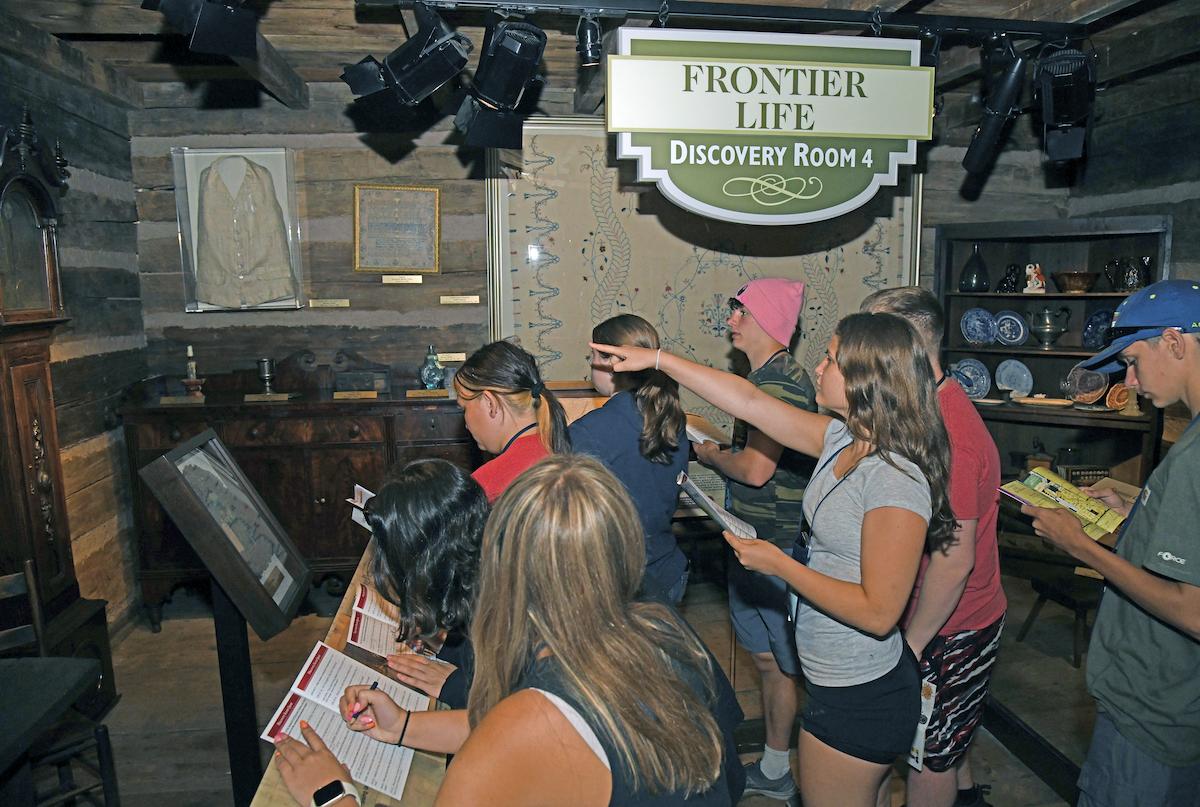
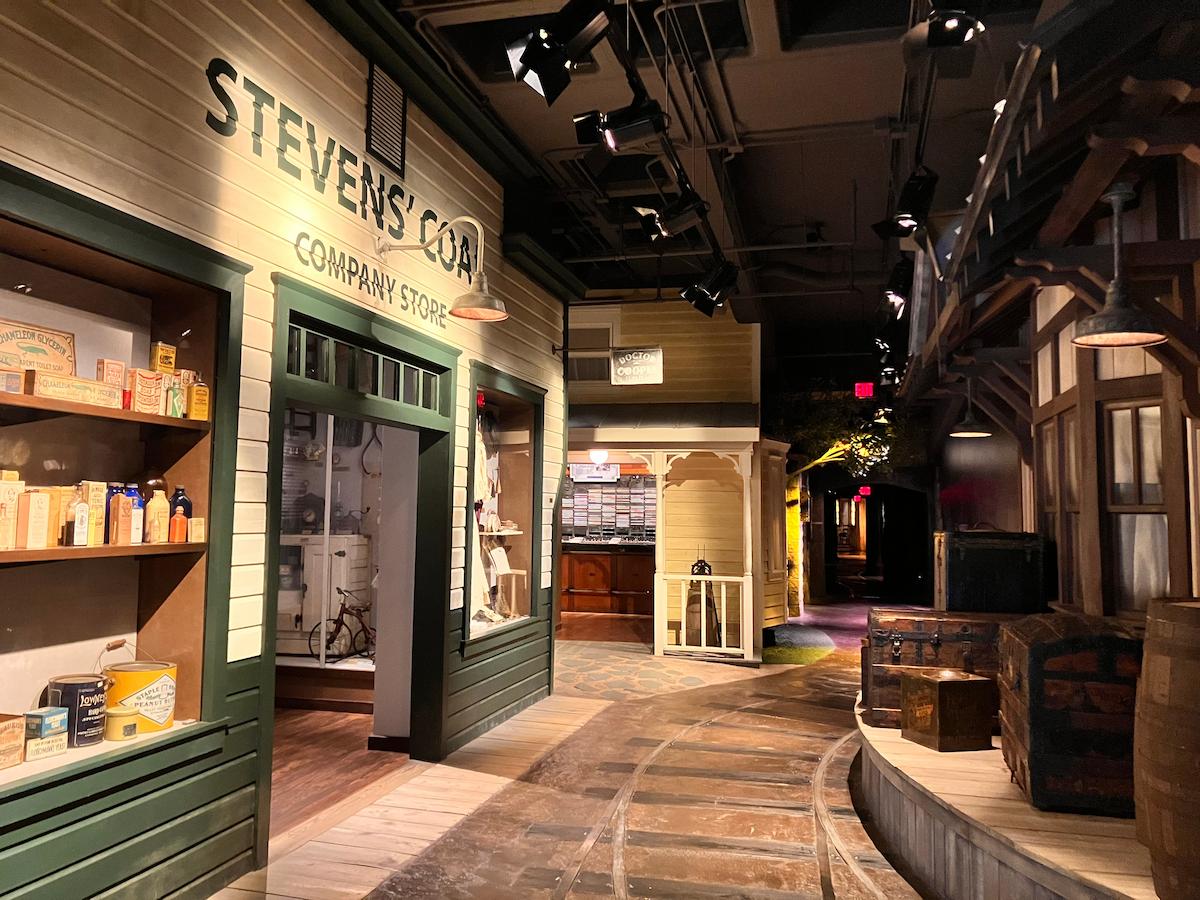
What began in 1890 with the West Virginia Historical and Antiquarian Society has grown into a treasured collection that includes an immense collection of artifacts representative of every aspect of West Virginia.
The West Virginia State Museum is dedicated to inspiring, educating, and enriching the lives of the public by instilling a deeper understanding and sense of pride through the collection, preservation, and exhibition of diverse cultural and historic traditions, focusing on every aspect of West Virginia history, culture, art, paleontology, archaeology, and geology from all geographic regions - representing the people, land, and industries.
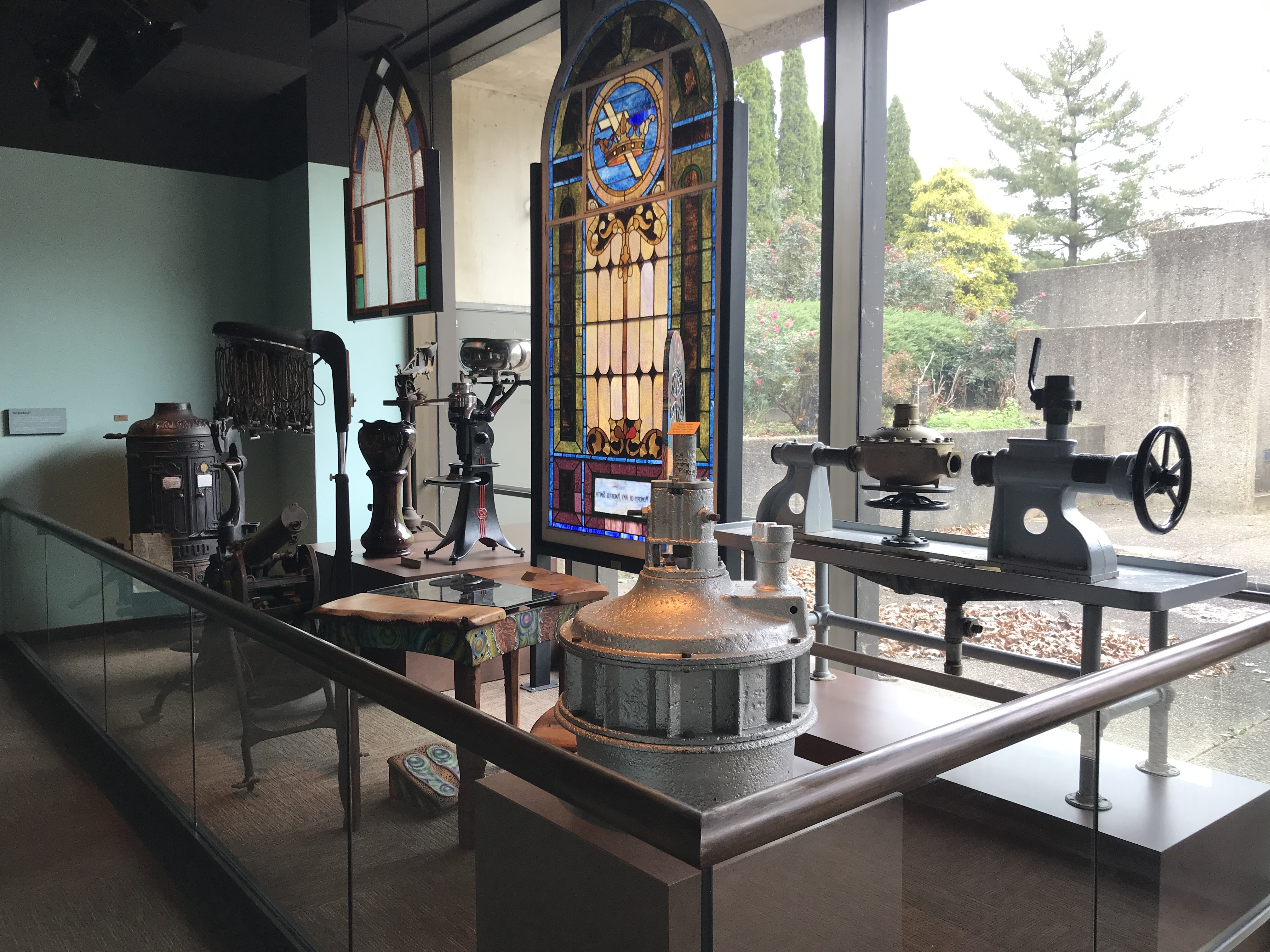
The West Virginia Historical and Antiquarian Society organized in the Senate Chamber of the State House in Charleston on January 30, 1890. Initially, the organization had limited state support but was given a home on the first floor of the capitol to showcase its collection.
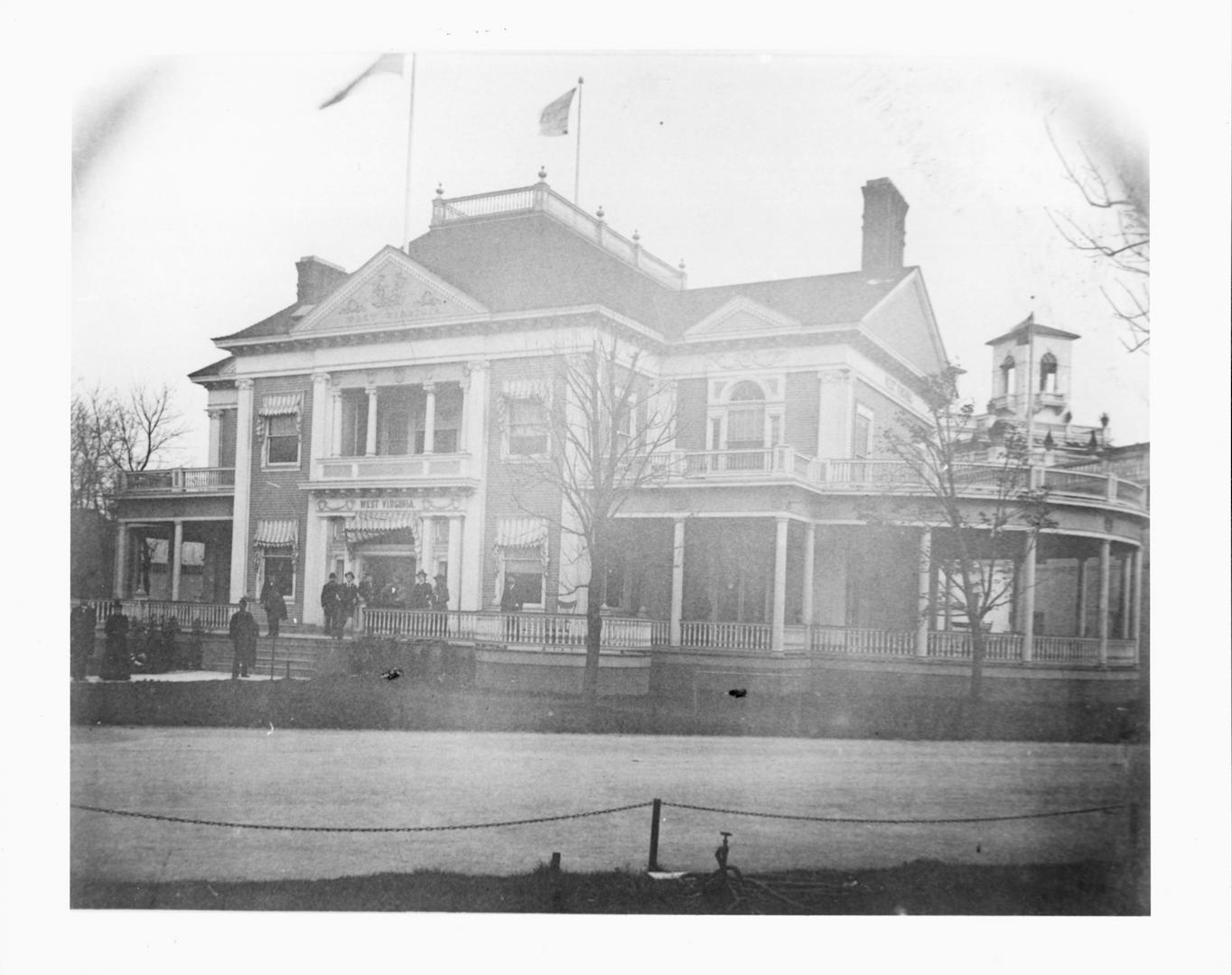
In 1893, Governor William A. MacCorkle and Dr. John P. Hale, president of the Historical and Antiquarian Society, worked together to create exhibits for the 1893 West Virginia Building at the Columbian Exposition at the World's Fair in Chicago, Illinois.
On April 3, 1894, Governor William A. MacCorkle held a reception to announce the opening of the West Virginia State Museum in the 1885 West Virginia State Capitol building located at the head of Capitol Street in downtown Charleston. The museum exhibits contained artifacts that were on exhibit at the West Virginia Building at the Columbian Exposition at the 1893 World's Fair in Chicago, Illinois as well as those part of the valuable collection of the Historical Society already on exhibit. The day after the opening of the museum, an article in the newspaper applauded the large turnout for the event and the efforts of Governor MacCorkle, Colonel Bob Carr, Colonel A.D. MacCorkle, and Captain John Baker White.
The new museum's exhibits featured a wild assortment of artifacts, including sand from the Jordan River and twigs from pioneer Anne Bailey's grave.
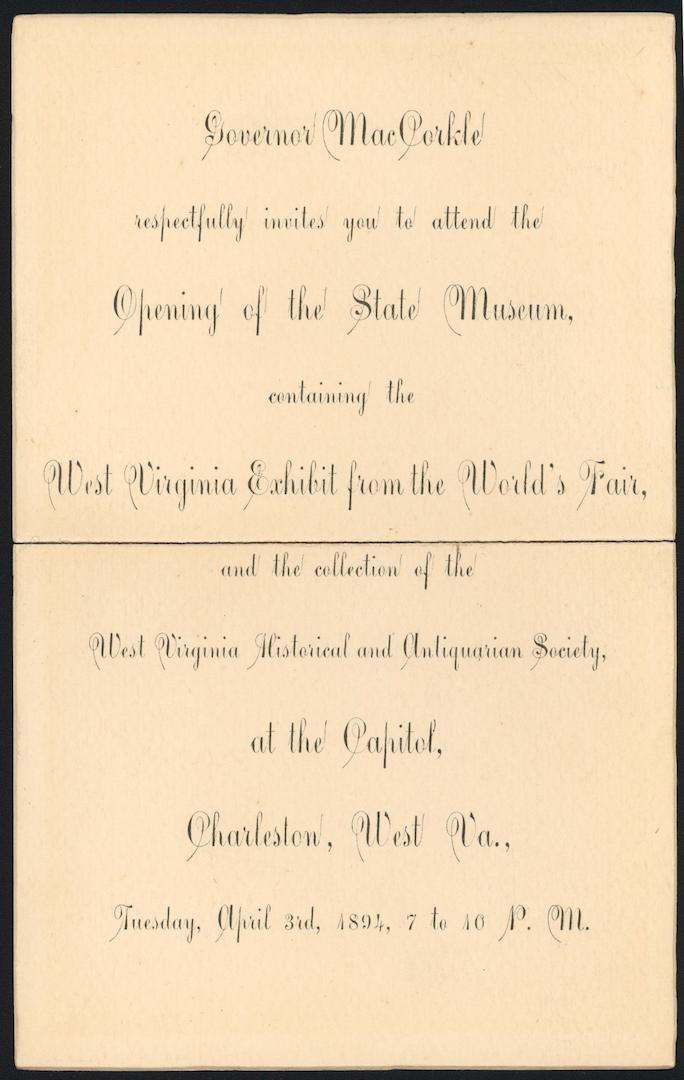
Both collections continued to be exhibited together and on February 18, 1905, by an act of the legislature, the artifacts from the Historical Society legally became part of the West Virginia State Museum.
When the legislation was passed to combine the two collections, additional funding and a new residence for the State Museum was found. The museum moved to the Capitol Annex, which had been completed in 1903. It turned out to be a great move for the early museum collection and saved it from the capitol fire of 1921.
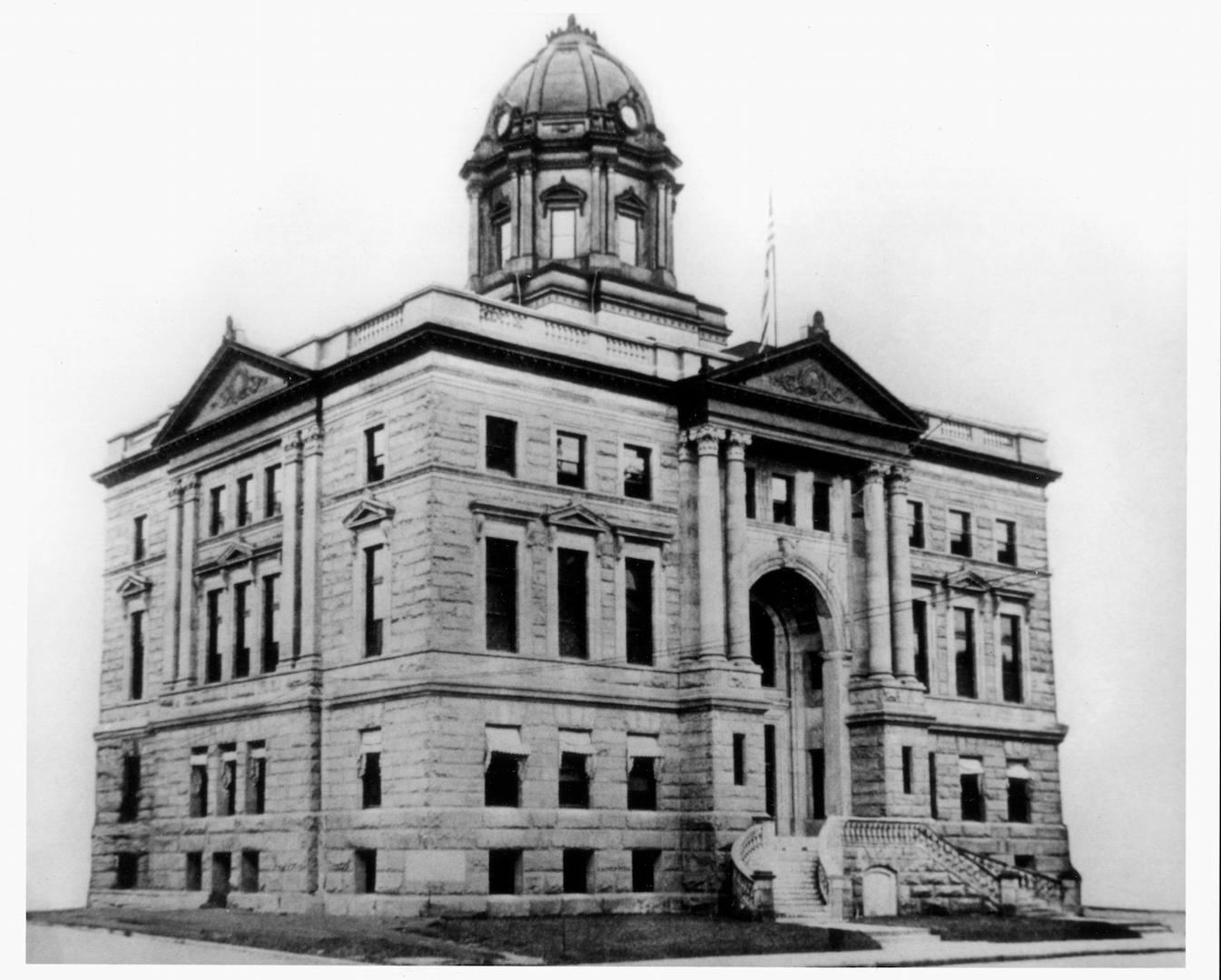
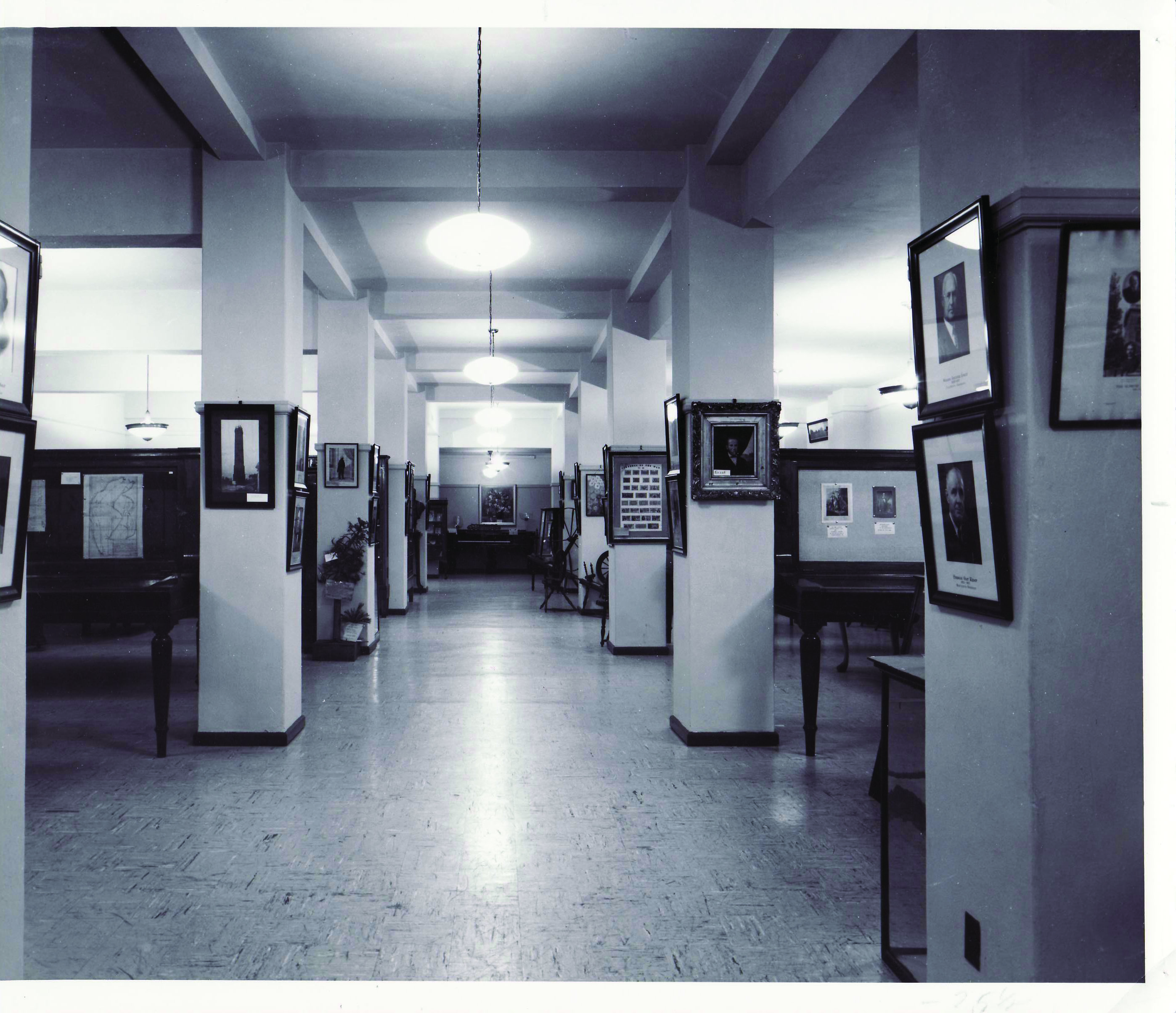
When the 1932 West Virginia State Capitol building designed by Cass Gilbert was completed, the collection of the State Museum was placed on exhibit in the basement. A popular exhibit was the dressed fleas, Alexander and Emmeline. These two became household names and are still on display today.
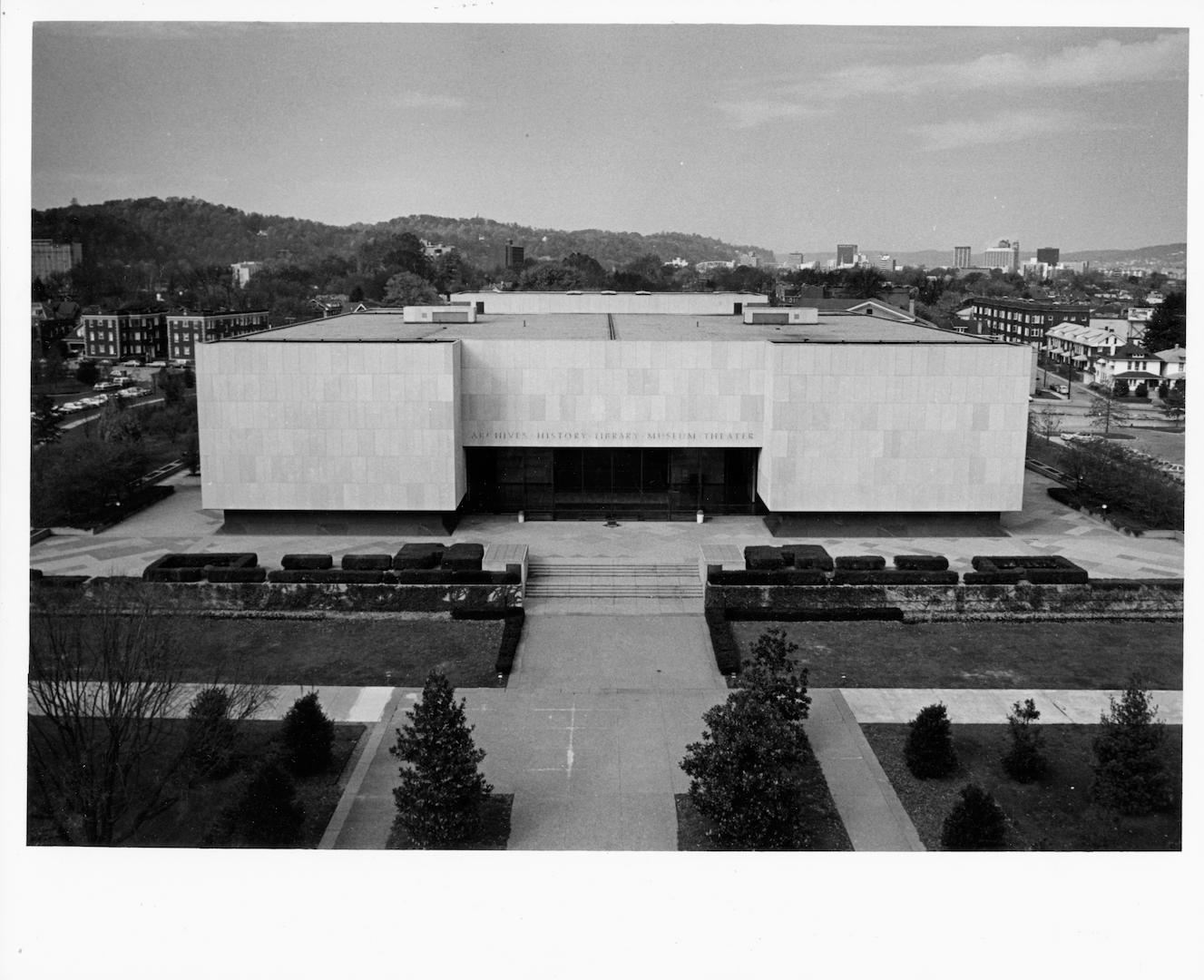
By the early 1970s, it was determined that the State Museum had outgrown its space in the Capitol building and needed its own facility to preserve and showcase the wonderful treasures.
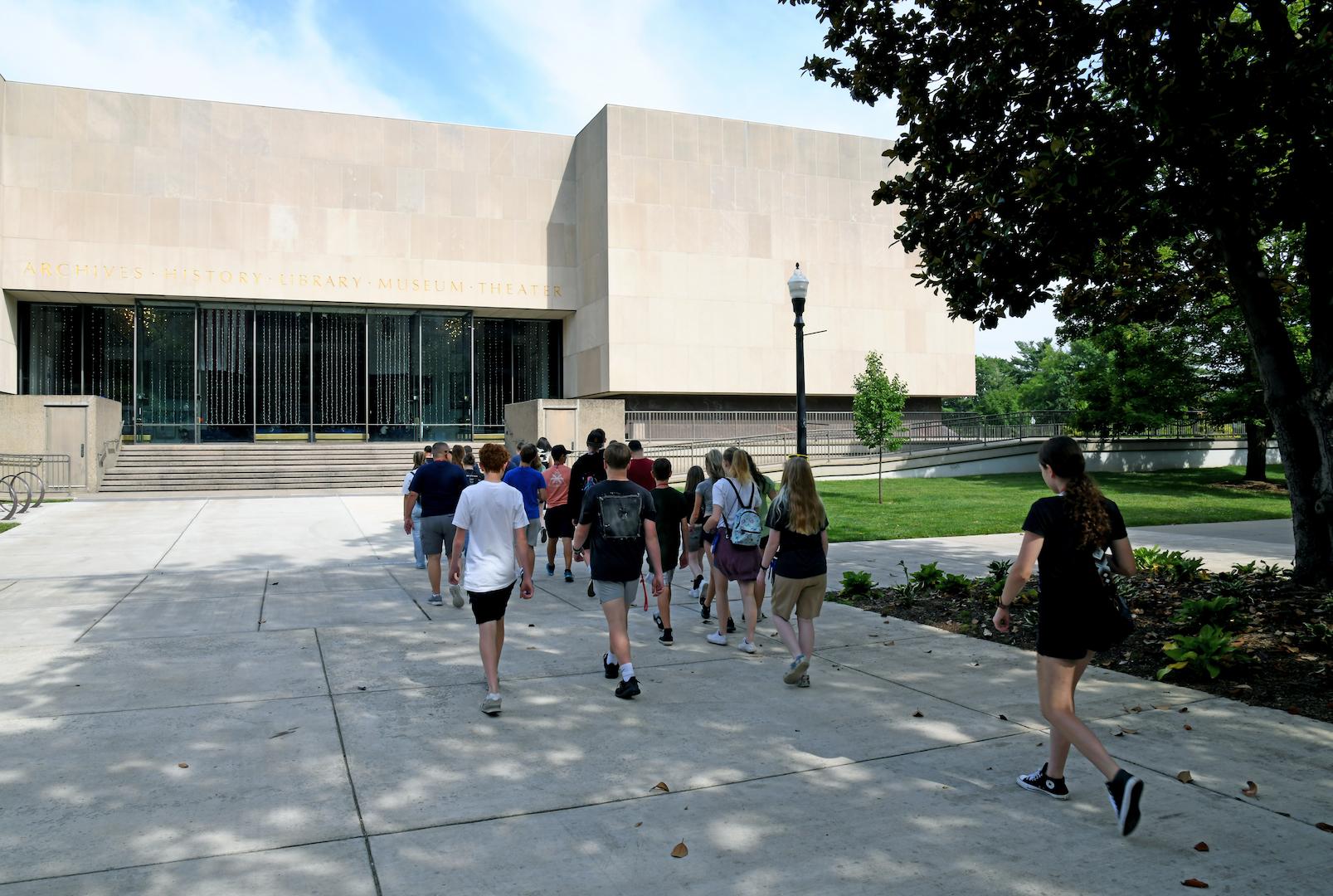
On July 11, 1976, the West Virginia Science and Culture Center opened with beautiful state-of-the-art exhibitions of history and culture. The collection is still housed in this environmentally-controlled modern facility.
In 1976, the museum features included eight-track players explaining the state's history, slide presentations, and other state-of-the-art fixtures of the time.
At the end of the 20th century, it was determined that a new design was needed to tell the state's history and exhibit the treasured artifacts. The museum was taken down to the original concrete pad, which served as a blank canvas for the renovation.
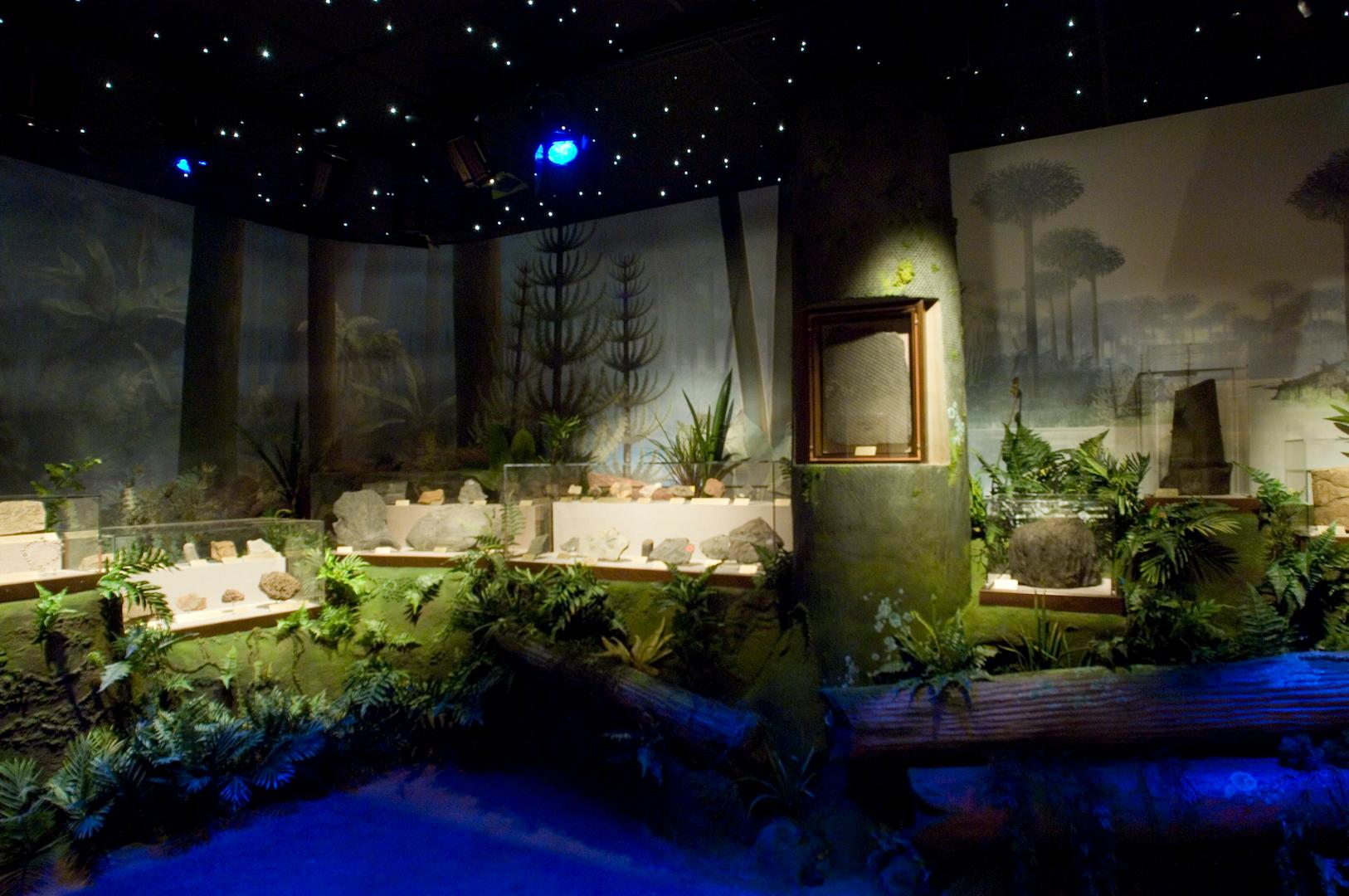
In June of 2009, the newly renovated West Virginia State Museum opened with immersive exhibitions and art that were updated with modern conservation mounts, scenic beauty and architectural design elements to help preserve the collection for generations to come.
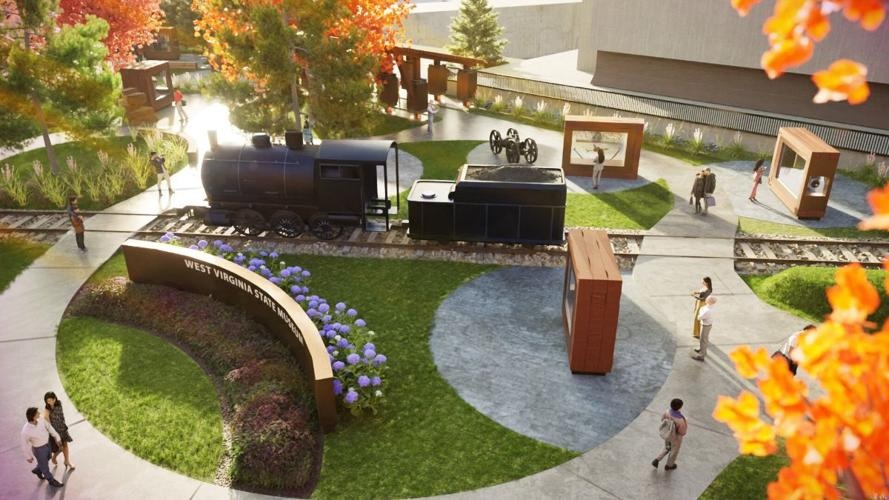
In July of 2024, a groundbreaking ceremony was held for a new exhibit titled, West Virginia: Nature Designs a State that Fuels a Nation. This exhibit is an outdoor extension of the West Virginia State Museum and is designed to showcase the natural resources of the Mountain State. The exhibit also serves as a marker of West Virginia's participation in the America250 initiative, a nationwide, nonpartisan initiative to celebrate the 250th anniversary of the signing of the United States Declaration of Independence.